Bridging the gap to trauma-informed global healthcare.
Equip your field, mission, and medical teams to care for trauma-affected communities — and for one another. Taught from real cross-cultural experience. Bilingual, practical, and built for the realities of work in vulnerable places.
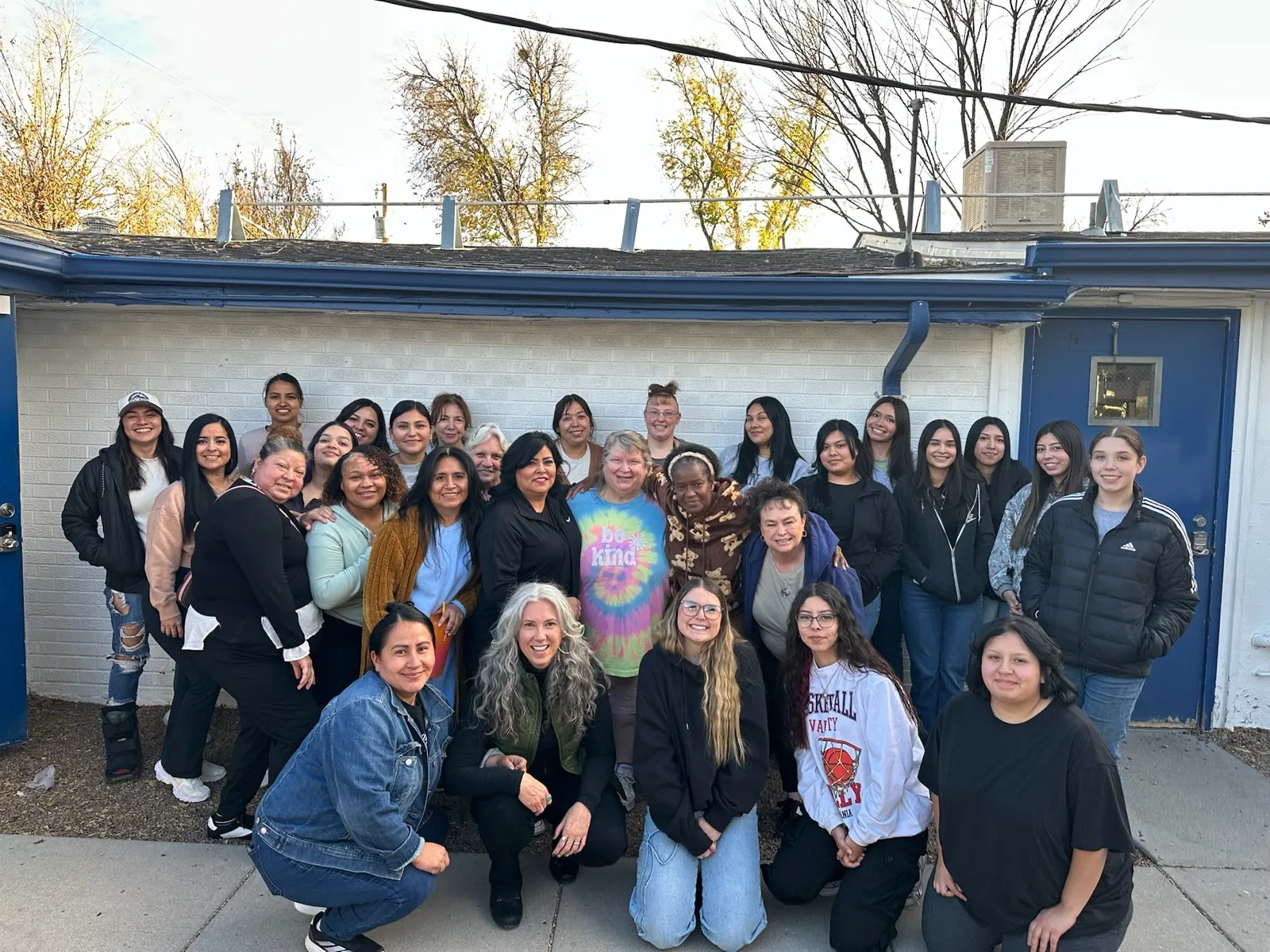
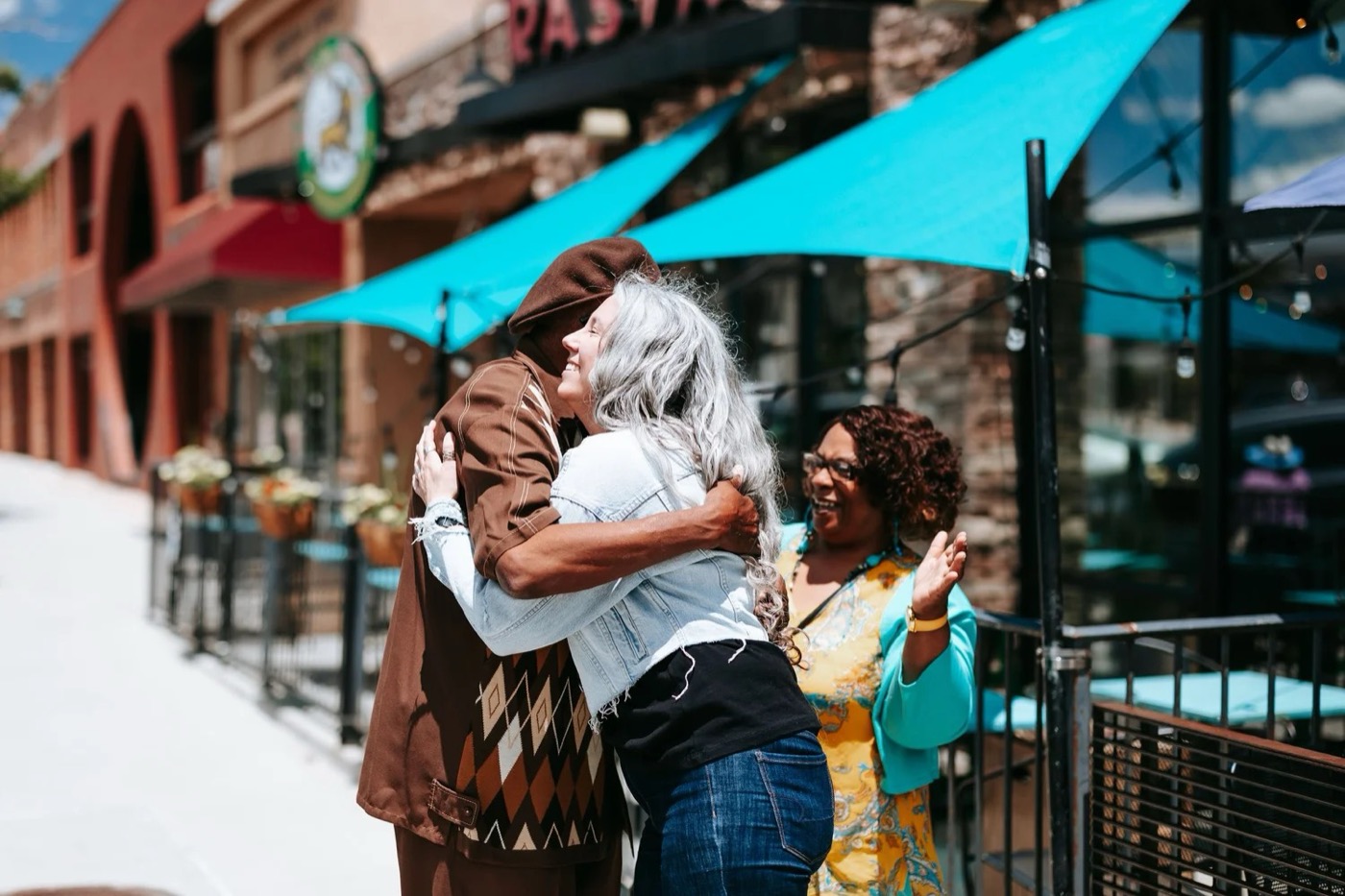
The people who carry others are carrying the most.
Teams serving in global health, missions, and relief work meet trauma every day — poverty, illness, displacement, loss — often across language and culture, far from support. Without the right tools, the weight accumulates and the best people burn out.
- Vicarious trauma and compassion fatigue among field and mission staff
- High turnover and early departure from the field
- Care that unintentionally re-traumatizes the people it means to help
- Cross-cultural gaps that erode trust before care can begin
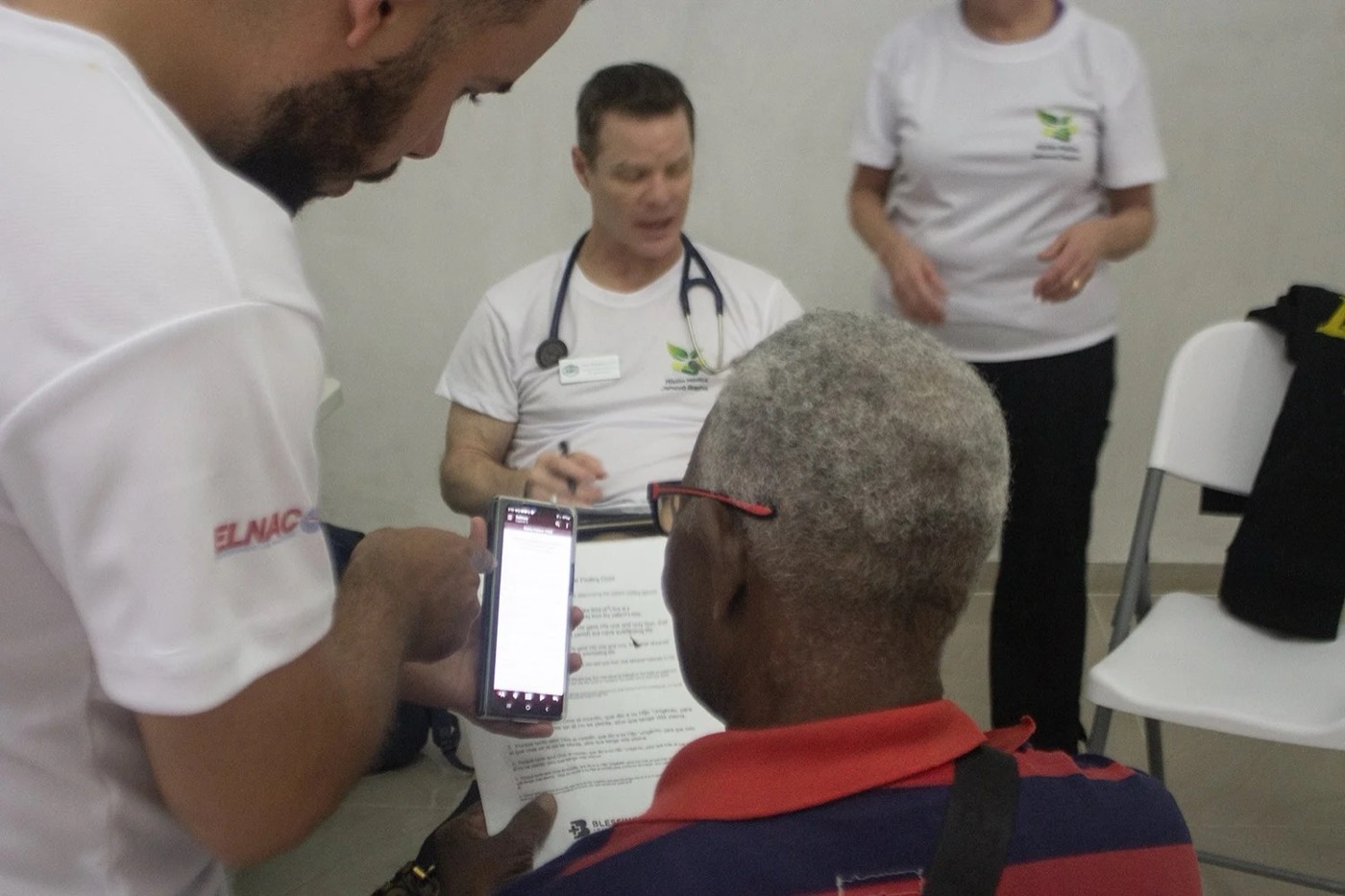
Training built from years of work in the field.
James Trail doesn't teach trauma-informed care from a distance. We practice it alongside communities in Cuba, Kenya, India, and Mexico — led by Meredith Shuman, MSW, with Dan Shuman, D.O., and 30+ years of global health experience between them. Your team leaves able to:
- Recognize trauma responses in the people you serve — and in yourselves
- Provide care that builds felt safety and trust across cultures
- Protect against burnout and secondary trauma with sustainable practices
- Lead teams and partner with local providers in trauma-informed ways
What teams tell us after training.
From James Trail workshop participants, 2023–2026.
Built for teams serving across cultures.

Your team can't pour from an empty cup.
The single fastest way to lose experienced field and mission staff is to let the weight of the work go unaddressed. A core part of every engagement is member care — helping your people recognize what they're carrying and build habits that let them keep serving for the long haul.
Get in touchCare where the gaps are greatest.
JT Med brings medical care and trauma-informed support to communities underserved by traditional systems.
- Breaks down cultural, geographic, and trust barriers so care feels safe, personal, and respectful
- Combines virtual and on-site solutions, from remote consults to hands-on support and health navigation
- Led by a physician with 30+ years of global health experience
- Strengthens local capacity through training and partnership with in-country teams
Four ways we help.
We make competent, compassionate care accessible, and we're here to support local providers, not replace them.
Virtual consults
Remote guidance and on-demand advice from experienced medical professionals.
In-person visits
On-site training, hands-on care, and follow-up alongside your team.
Support for local teams
Expertise and partnership that strengthens local providers, never replaces them.
Advocacy & navigation
Helping people navigate unfamiliar medical systems with someone in their corner.
Fund a full year of JT Med: host a circle or join one.
Ten Trailhead Hosts. Each gathers nine companions. $100/mo or $250–500 one-time. Together, $120,000: one full year of trauma-informed global health across all four countries.

Our session was so good! It opened Psalm 23 to me in a real way to deal with past, present, and future hurts and griefs.
Where we've been on the trail.
Coming alongside the pastors, teachers, and community leaders who are the first responders to trauma — wherever the need is greatest.
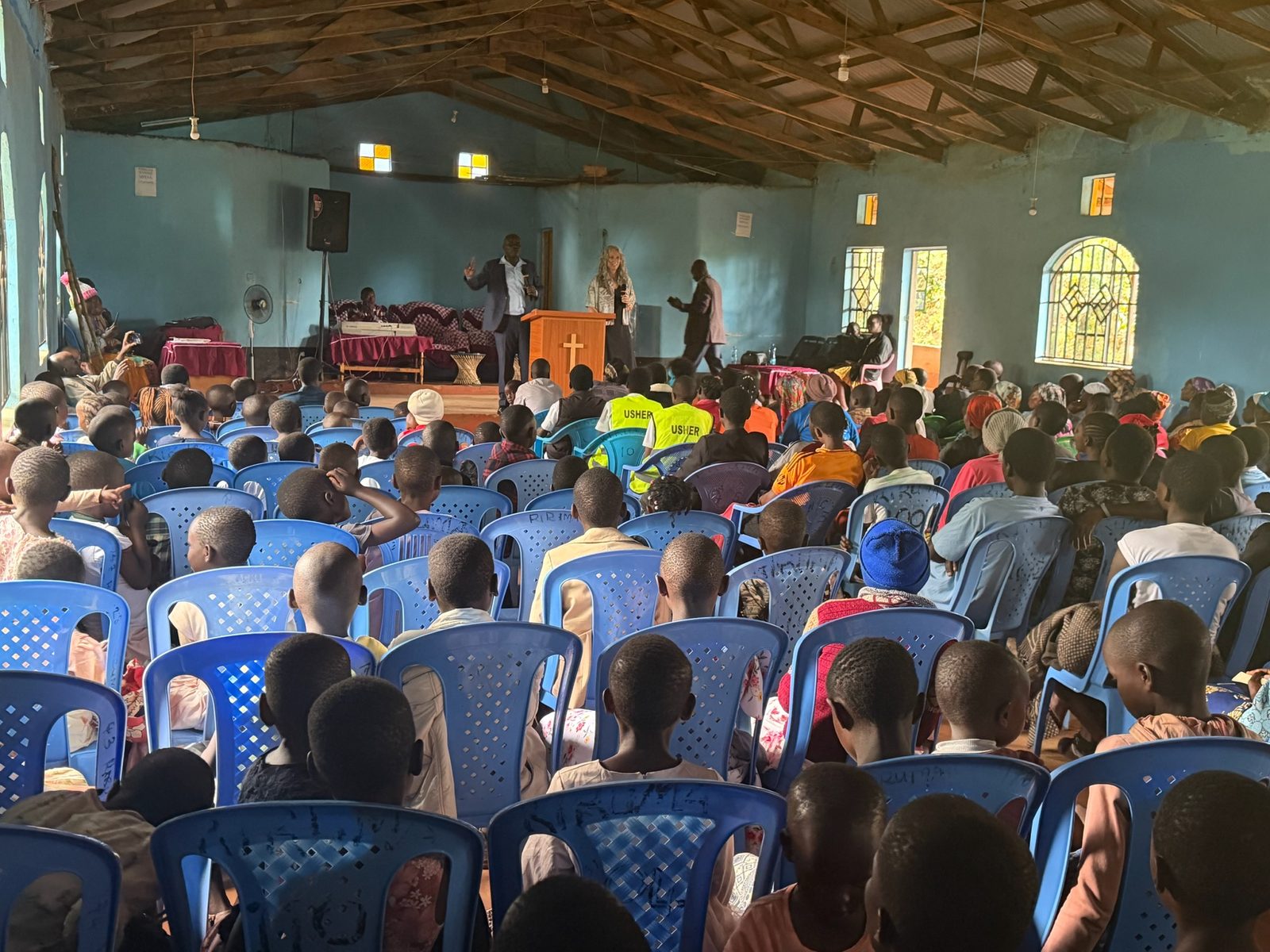
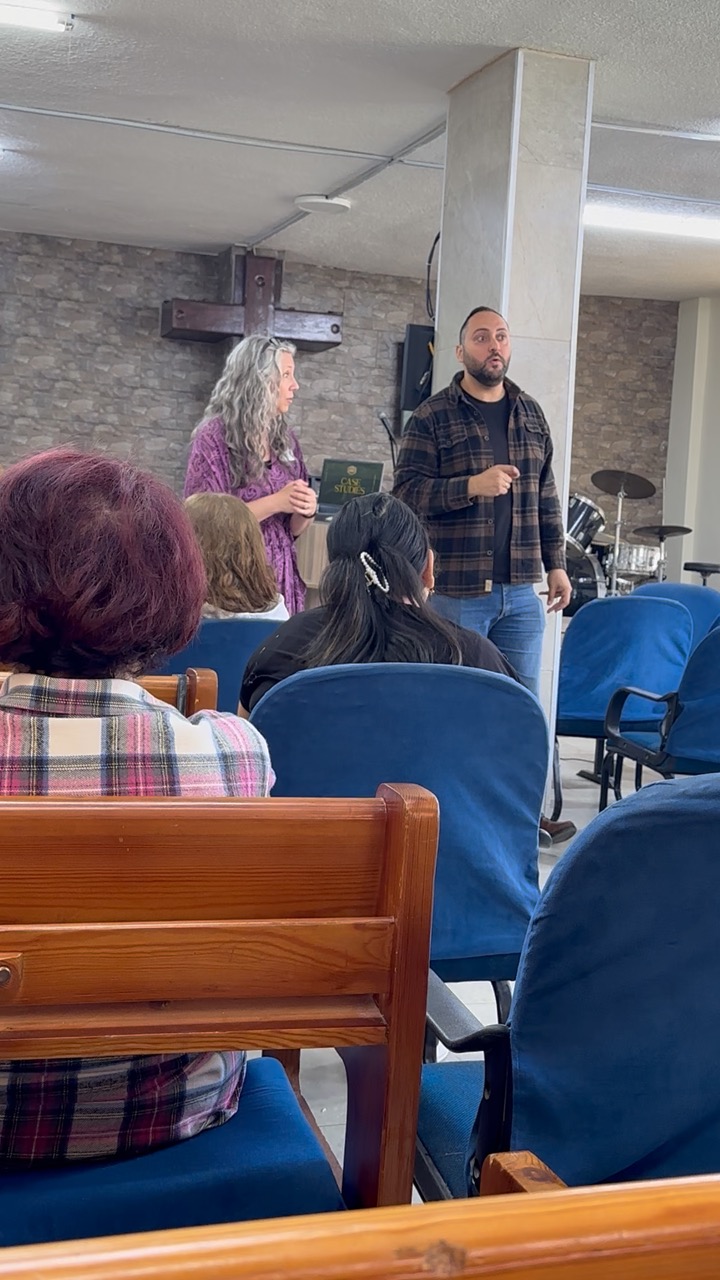
Training, care, and connection, side by side.
Each trip pairs trauma-informed training with on-the-ground JT Med care, delivered alongside local teams. We come to support the people already doing the work, not to replace them.
Frequently asked questions
Do you have experience in global health and cross-cultural settings?
Yes. James Trail delivers trauma-informed care in the field — alongside communities in Cuba, Kenya, India, and Mexico — not just in a classroom. Training is led by Meredith Shuman, MSW, a certified trauma-informed trainer, with Dan Shuman, D.O., who brings 30+ years of global health and family medicine experience. Sessions are available in English and Spanish.
Learn moreWho is this training for?
NGOs, mission-sending and faith-based organizations, medical mission teams, relief and development staff, and community health workers who serve people affected by poverty, displacement, illness, or crisis — and the leaders responsible for caring for those teams.
Learn moreDo you address staff burnout, secondary trauma, and member care?
Yes. Caring for the caregiver is central to what we do. We help teams recognize vicarious trauma, compassion fatigue, and burnout in themselves and their colleagues, and build sustainable practices so field and mission staff can keep serving without being consumed by the work.
Learn moreCan training be delivered in the field, or remotely?
Both. We offer on-site intensives, pre-deployment preparation, and online sessions for distributed teams, plus ongoing follow-up through our Annual Care Plan. We tailor language, examples, and practices to your specific field context.
Learn moreIs the training available in other languages?
Workshops are offered in English and Spanish today, and we adapt examples and materials to the cultures your team serves. Tell us where you work and we'll build the session around it.
Learn moreWhat does it cost?
Pricing is customized based on team size, format, and setting. There's no cost to reach out — we'll put together a proposal once we understand your team's needs.
Learn moreWhat changes for a team.
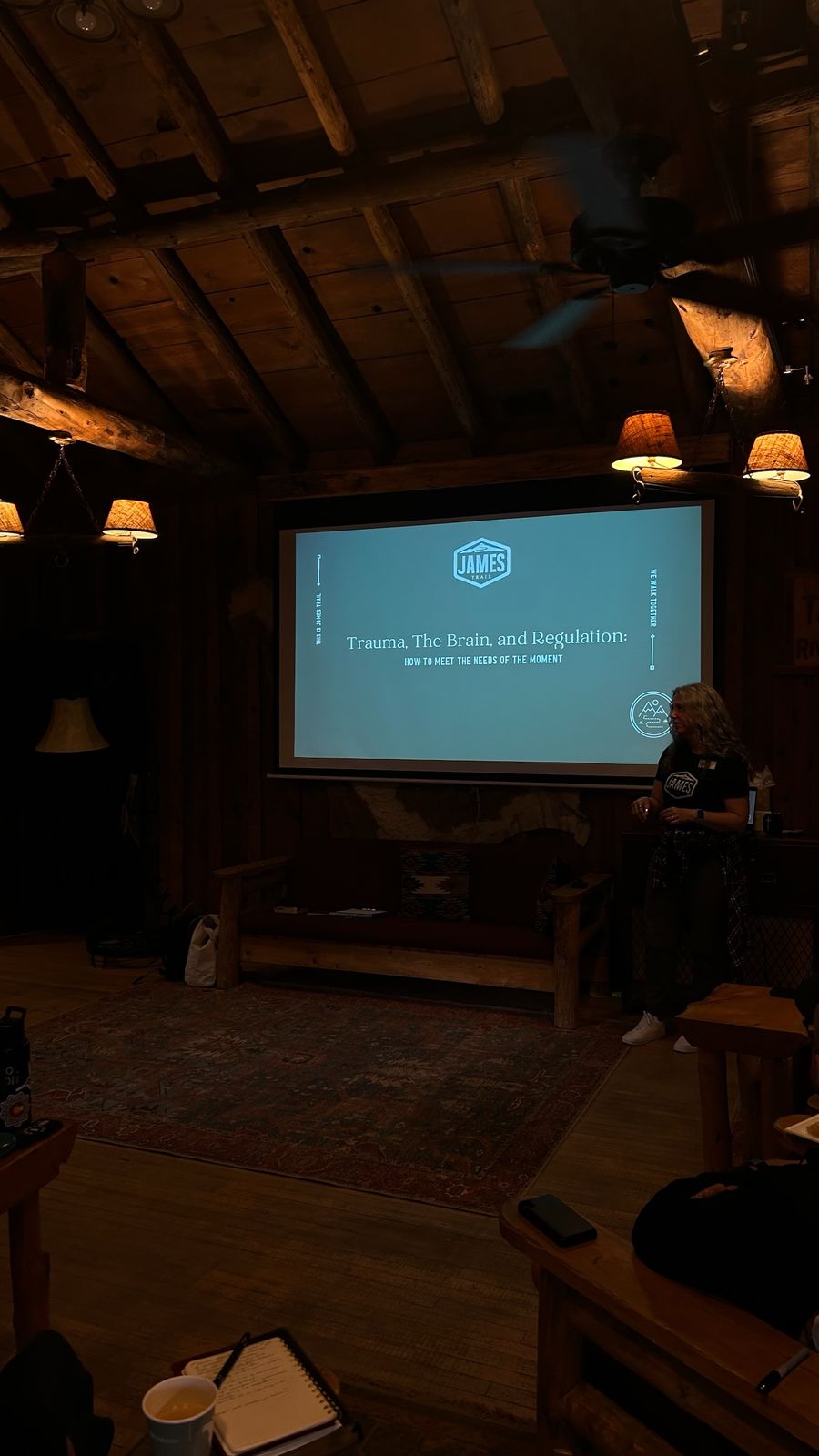
James Trail is the next horizon for organizational growth — a critical resource for building trauma-informed organizations. As a leader, I know we will have better team dynamics if we understand more about how trauma affects us.
Meredith shared a wealth of knowledge and had a lot of resources to back up the info. She was very approachable.
“A greater understanding and empathy for kids coming from all kinds of settings, traumas, and struggles — and how to meet them where they are.”
Workshop Participant“It taught me about the different traumas people carry, and how to be empathetic — not only at work, but outside of it.”
Workshop Participant“It gave me hope by helping me better understand trauma and showing that healing and recovery are possible.”
Psychology student“The workshop showed that recovery takes time. It encouraged me to seek and offer support. I feel more hopeful about mental well-being.”
Psychology studentFind out if a workshop is the right next step.
Five quick questions. If it's a fit, we'll get back to you — if not, we'll point you somewhere more useful.
A workshop looks like a strong fit.
Based on what you've told us, a workshop is likely a strong next step. We've got your details, and someone from our team will get back to you.
Pick a time →A real person reads every message — we'll follow up with you directly.
Thanks — we have your details and will follow up in writing.
Here's the best place to start.
A workshop may not be the right first step yet, but there's plenty here that will help. Start with the Trail Marker to see where your organization stands.
Because healthcare should be accessible, compassionate, and personal, for everyone.
Reach one person at a time with a message that can change a life: you are seen, you are valued, you matter.
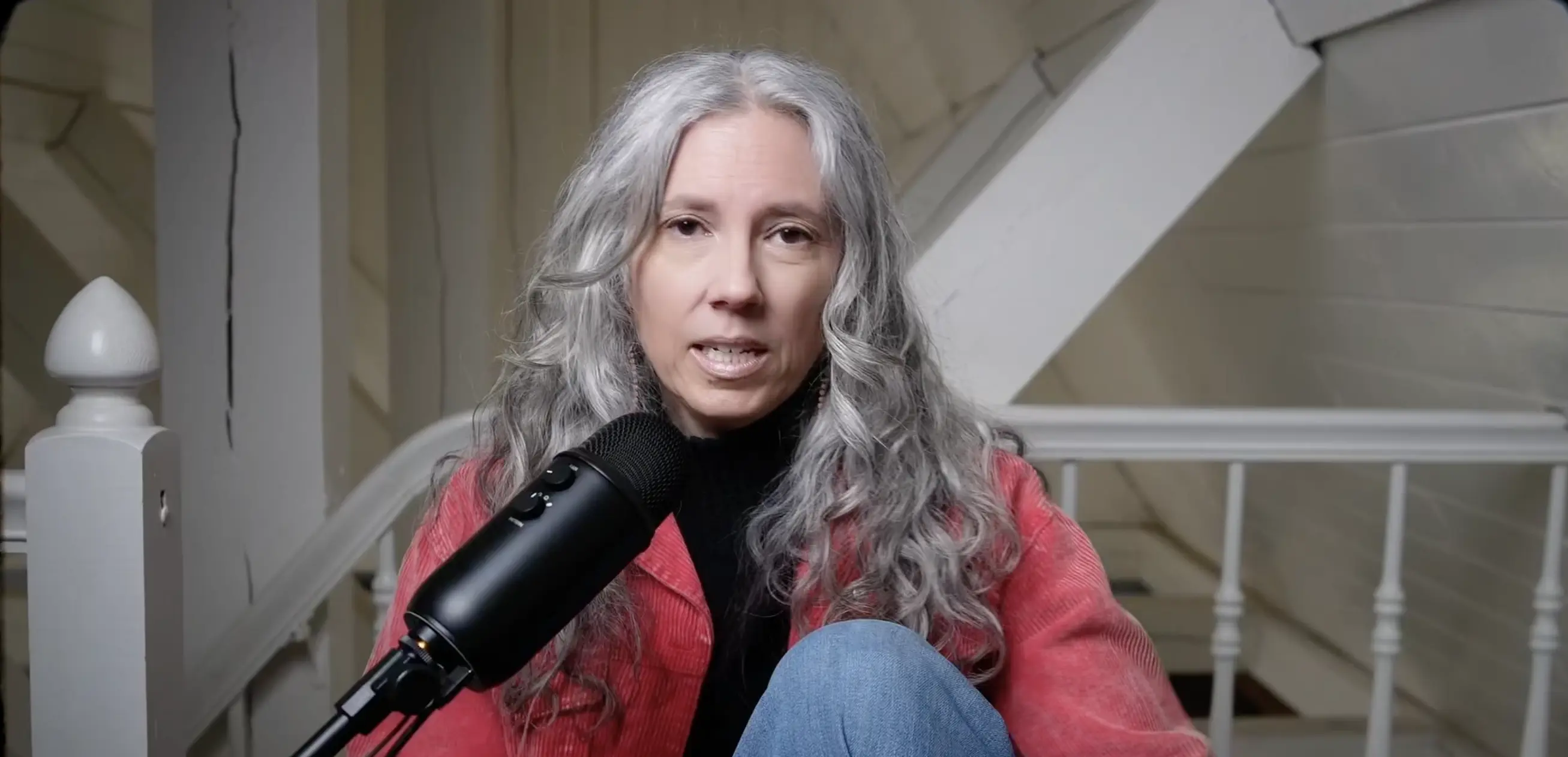
Start with Trauma Talk.
Honest, plain-language answers to the questions people are actually searching. Whenever you need them.