Trauma-informed training for healthcare teams.
Equip your health staff to provide better care, for patients and themselves. Customizable training that strengthens patient trust, reduces burnout, and builds resilient care teams.
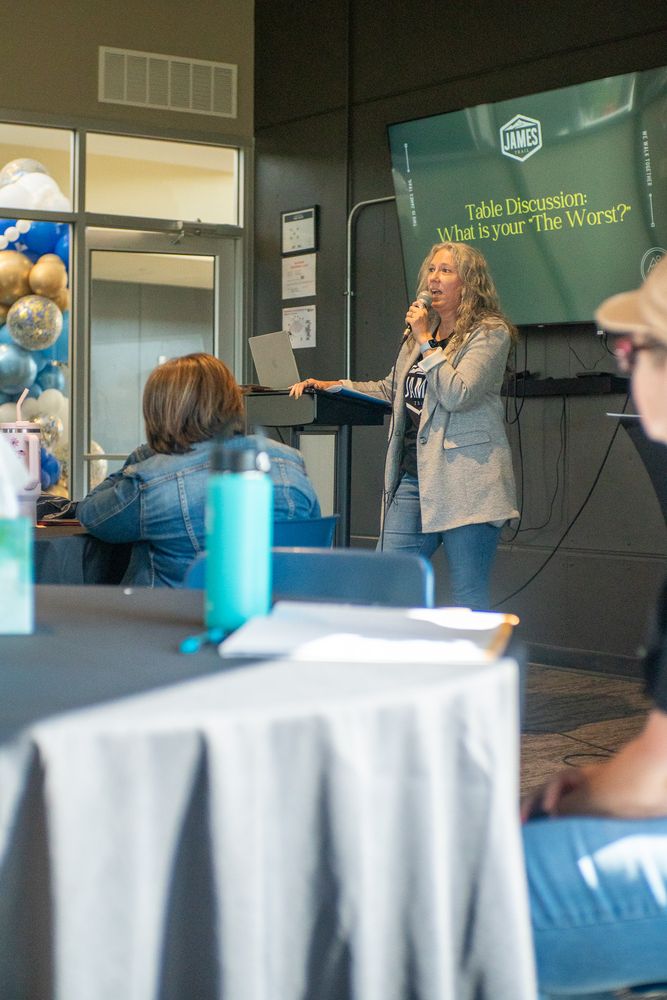
Equip your team to provide better care, for patients and themselves.
James Trail delivers trauma-informed training designed for front-line health workers, hospital management, and health network leadership. Led by Meredith Shuman, MSW, with Dan Shuman, D.O., our customizable approach strengthens patient trust, reduces burnout, and builds resilient care teams.


In-person, monthly on-site, quarterly, or hybrid — built around the realities of hospital and health-network schedules.
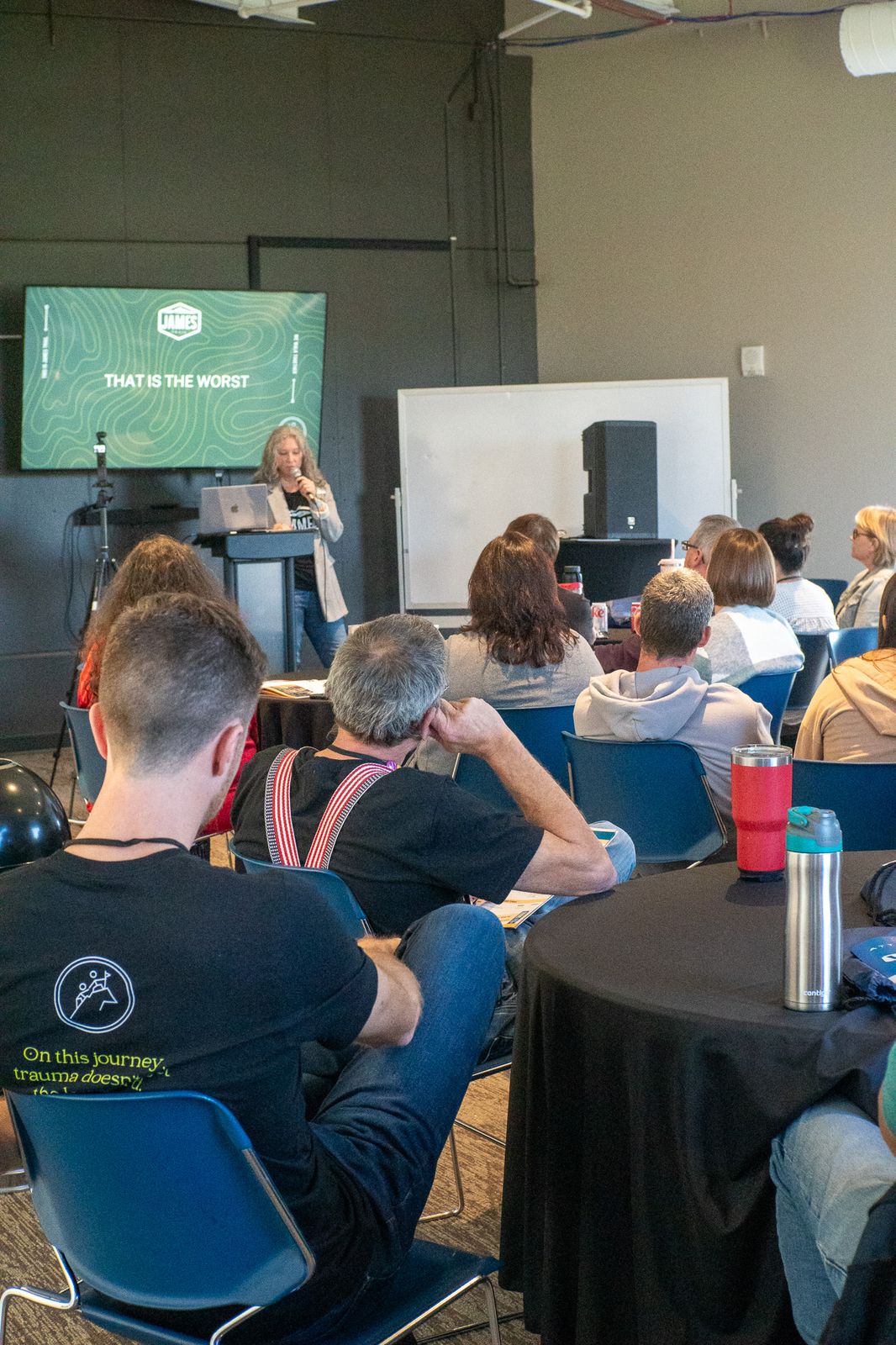
Why trauma-informed care matters in healthcare.
Every day, healthcare teams encounter trauma: patient suffering, emergencies, their own stress and grief. Without the right tools, the impact accumulates.
- High rates of burnout and staff turnover
- Increased errors under pressure
- Loss of patient trust and satisfaction
- Around 74% of maternity care providers are at high risk of compassion fatigue, with over half showing signs of burnout
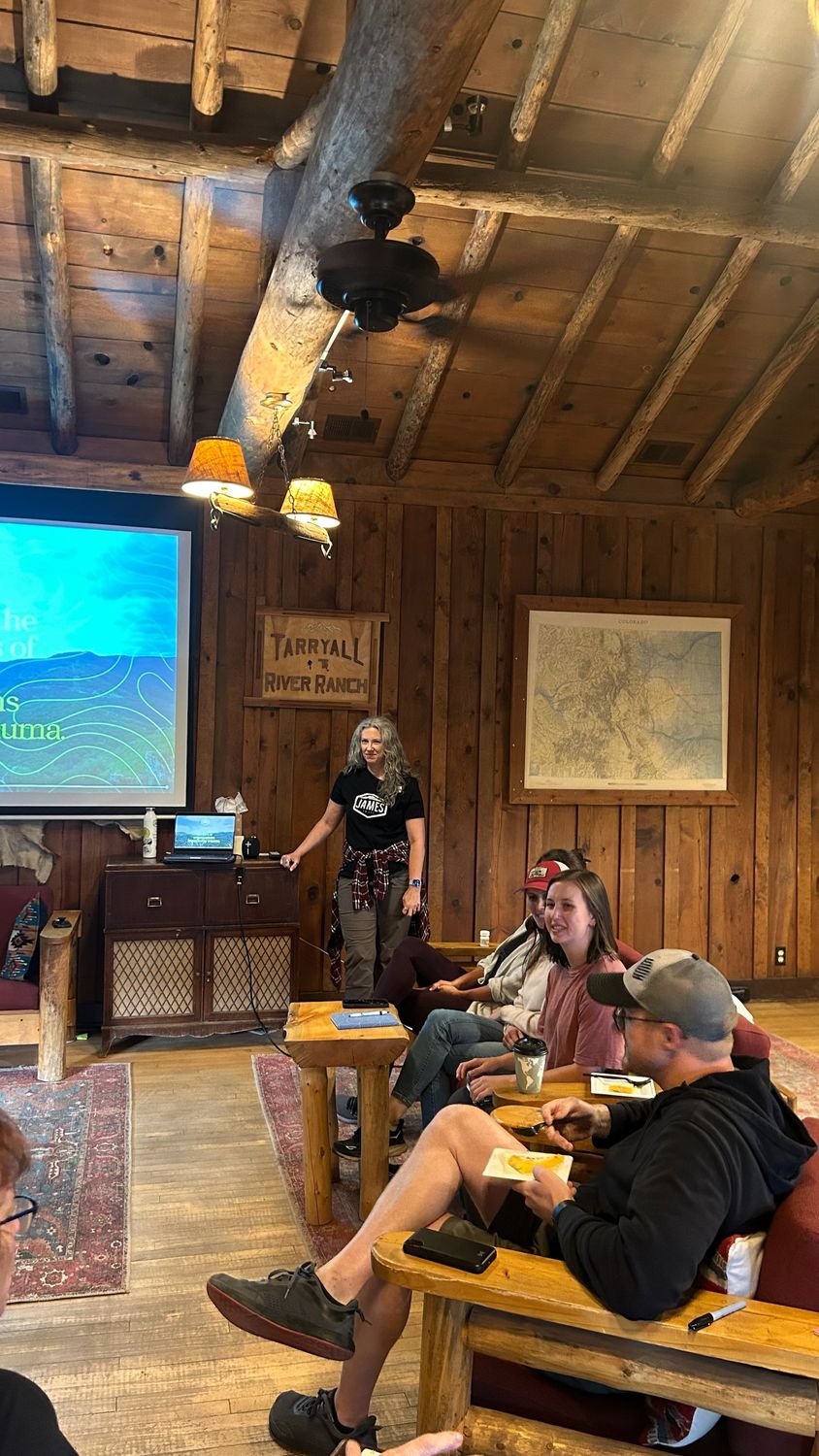
Training built for real-world healthcare environments.
Our programs combine experience, cultural awareness, and practical application to help healthcare teams:
- Identify signs of mental health challenges in themselves, patients, families, and colleagues
- Respond in ways that promote healing rather than re-traumatization
- Strengthen team resilience and emotional well-being
- Integrate trauma-informed principles into daily care and management
Frequently asked questions
How long is the training?
Workshops range from 90 minutes to two full days, depending on your team's needs. Many organizations run monthly or quarterly sessions as part of our Annual Care Plan.
Do you have experience in healthcare settings?
Yes. James Trail has completed training contracts with hospitals, clinics, and healthcare networks across the US. Workshops are led by Meredith Shuman, MSW, alongside Dan Shuman, D.O., who brings 30+ years of global health and family medicine experience.
Is the training accredited?
We align with your organization's requirements where applicable. Let's discuss your specific needs. Reach out and we'll work through what's possible.
Do you offer follow-up support?
Yes. Ongoing coaching, on-site follow-up sessions, and curated resources are included in our Annual Care Plan, designed to ensure your team continues applying what they've learned.
Can the training be customized for our hospital's culture?
Absolutely. We tailor exercises, language, examples, and strategies to your team's specific context, whether that's a maternity ward, an emergency department, or a leadership team.
What does training cost?
Pricing is customized based on team size, session duration, and engagement type. We're happy to put together a proposal once we understand your organization's needs.
The training works.
Figures reflect the 2023–2026 tracking period.

What changes for a clinical team.
We engaged James Trail to enhance the resilience of our dedicated staff. Our patients felt more seen, and our physicians more aligned with their values.
Trauma-informed practices create safety. When teams understand trauma, they lead and care with greater empathy — and that transforms both the culture and the care experience.
Sometimes we forget that we also need help — and that we need to heal so we can be well enough to help others.
“It taught me about the different traumas people carry, and how to be empathetic — not only at work, but outside of it.”
Workshop Participant“The workshop gave me hope by showing that the effects of trauma can be understood, managed, and healed with the right support and awareness.”
Psychology student“The session encouraged me to look at mental health with more compassion rather than judgment.”
Psychology student“As a psychology student, it inspired me to support others with empathy and strengthened my confidence that people can recover and lead meaningful lives with the right support.”
Psychology studentFind out if a workshop is the right next step.
Five quick questions. If it's a fit, we'll get back to you — if not, we'll point you somewhere more useful.
A workshop looks like a strong fit.
Based on what you've told us, a workshop is likely a strong next step. We've got your details, and someone from our team will get back to you.
Pick a time →A real person reads every message — we'll follow up with you directly.
Thanks — we have your details and will follow up in writing.
Here's the best place to start.
A workshop may not be the right first step yet, but there's plenty here that will help. Start with the Trail Marker to see where your organization stands.
Strengthen your team. Improve patient care. Reduce burnout.
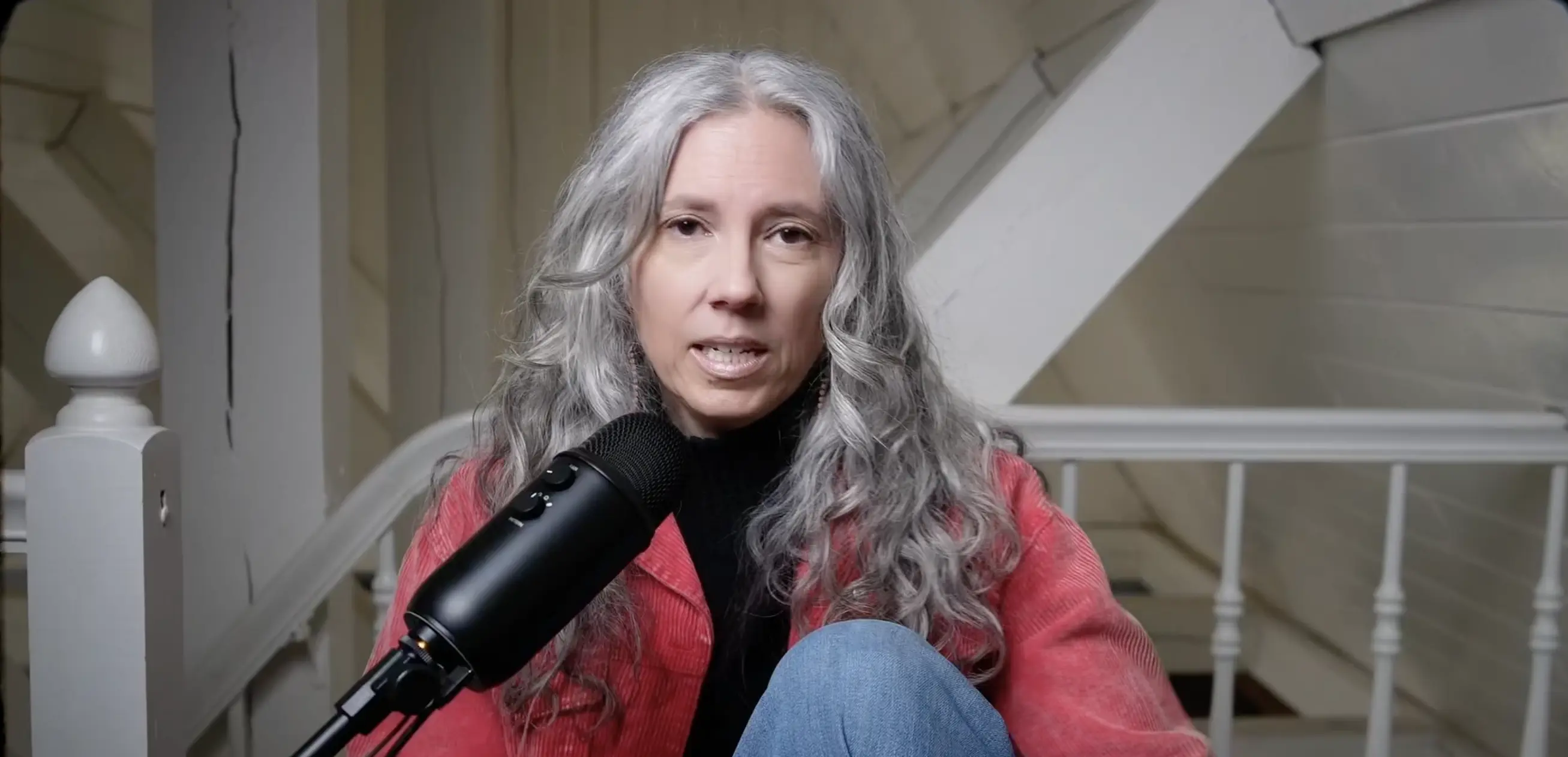
Start with Trauma Talk.
Honest, plain-language answers to the questions people are actually searching. Whenever you need them.