
Trauma-informed training for hospitals, clinics, and health networks
Trauma-Informed Training for Healthcare Teams

“James Trail’s training transformed how our staff respond to patient trauma and their own needs. We’ve seen immediate improvement in morale and patient experience.”
— Judson Howe
Hospital Director, Adventist Health North Coast Network
Ukiah, California
98% of participants
open to attending another James Trail workshop
A word from our workshop participants
91% of participants reported a meaningful increase in understanding trauma and mental health
68% of participants reported a significant increase in understanding trauma-informed care


Equip Your Health Staff to Provide Better Care — For Patients and Themselves
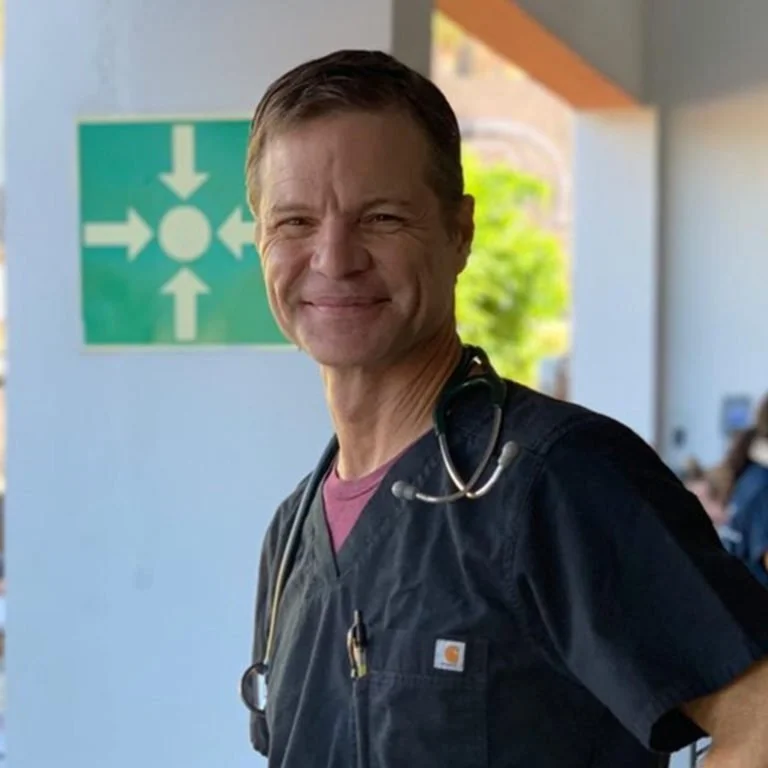
James Trail delivers trauma-informed training programs designed for front-line health workers, hospital management, and health network leadership. Led by Meredith Shuman, MSW, with Dr. Dan Shuman, D.O., our customizable approach strengthens patient trust, reduces burnout, and builds resilient care teams.
Key Benefits: What Trauma-Informed Training Delivers for Your Team
- Reduce staff burnout and fatigue. Even a single focused session produces measurable results. One month after a two-hour training, participants reported lower burnout and compassion fatigue. Source: JEMS — Trauma-Informed Training Decreases Compassion Fatigue
- Strengthen patient trust and engagement Organizations that adopt trauma-informed care see stronger patient-provider relationships and better engagement with care plans — patients are more likely to follow treatment and return for ongoing care. Source: MDPI — Trauma-Informed Care & Patient Engagement
- Boost team confidence and resilience Post-training, clinicians report more positive attitudes toward trauma-informed care and greater confidence when working with trauma-impacted patients. Source: NursingCenter — TIC Improves Provider Attitudes & Confidence
- Enhance quality and safety Trauma-informed organizational change is associated with stronger interdisciplinary collaboration, clearer communication, and reduced staff burnout. Source: Oxford Academic — Health Policy: TIC & Collaboration
- Flexible delivery to fit your organization In-person, monthly on-site, quarterly, and hybrid options — designed to fit the realities of hospital and health network schedules. Source: Center for Health Care Strategies — What is Trauma-Informed Care?
The challengE
Why Trauma-Informed Care Matters in Healthcare
Every day, healthcare teams encounter trauma — witnessing patient suffering, managing emergencies, navigating their own stress and grief. Without the right tools, the impact accumulates:
• High rates of burnout and staff turnover
• Increased errors under pressure
• Loss of patient trust and satisfaction
• Around 74% of maternity care providers are at high risk of compassion fatigue, with over half showing signs of burnout
Trauma-informed training is more than an HR initiative. It's a proven method for creating safer, more compassionate, and more effective healthcare environments — for everyone in them.
The solution
Training Built for Real-World Healthcare Environments
James Trail's programs combine experience, cultural awareness, and practical application to help healthcare teams:
• Identify signs of mental health challenges in themselves, patients, families, and colleagues
• Respond in ways that promote healing rather than re-traumatization
• Strengthen team resilience and emotional well-being
• Integrate trauma-informed principles into daily care and management
91% of James Trail workshop participants reported a meaningful increase in their understanding of trauma and mental health — after a single session.
Source: James Trail Workshop Participant Evaluation, 2025 (internal data)
Flexible Training Designed Around Your Organization
We offer flexible, scalable training to meet your hospital or health network’s needs. Each session is conducted with care and compassion:
In-Person Trauma-Informed Workshops
Tailored to your staff's unique context, with role-playing, group exercises, and practical tools. Sessions range from 90 minutes to two full days.
Monthly On-Site / Hybrid Training Options
Ideal for multi-site health systems or teams with varying schedules. Builds momentum and embeds trauma-informed practice over time rather than relying on a single event.
Why Healthcare Leaders Choose James Trail
Expert-led Workshops — Meredith Shuman, MSW, is a certified trainer and workshop leader with extensive experience facilitating programs in healthcare and hospital settings. Dr. Dan Shuman, D.O., brings 26 years of global health and family medicine expertise across diverse, high-pressure environments. Together they've trained teams in the US and internationally.
Healthcare-Specific Content — Designed specifically for hospitals, clinics, and health networks, not adapted from a generic corporate training model. Every exercise, example, and framework is calibrated to the healthcare environment.
Evidence-Based Practices — Grounded in current research and global best practices in trauma-informed care. Our outcomes data from 3,500+ participants across 250+ hours of workshops demonstrates measurable, lasting impact.
Follow-Up Support — We provide ongoing coaching, on-site follow-up, and curated resources as part of our Annual Care Plan, so trauma-informed practice becomes part of your everyday culture, not a one-time event.
ongoing support + resources
Sustained support with quarterly sessions, follow-up coaching, and curated resources. Designed for organizations committed to lasting cultural change, not just a one-time training.

Proven Impact
3500+
professionals trained
250+
hours of workshops
Frequently Asked Questions (FAQs)
Trauma-informed training for health care
5+
countries served
-
Workshops range from 90 minutes to two full days, depending on your team's needs. Many organizations run monthly or quarterly sessions as part of our Annual Care Plan.
-
Yes. James Trail has completed training contracts with hospitals, clinics, and healthcare networks across the US. Workshops are led by Meredith Shuman, MSW, alongside Dr. Dan Shuman, D.O., who brings 26 years of global health and family medicine experience. Together they've facilitated training in healthcare, hospital, and clinical settings internationally.
-
We align with your organization's requirements where applicable. Let's discuss your specific needs — reach out and we'll work through what's possible.
-
Yes. Follow-up is built into how we work. Ongoing coaching, on-site follow-up sessions, and curated resources are included in our Annual Care Plan — designed to ensure your team continues applying what they've learned.
-
Absolutely. Customization is one of James Trail's core strengths. We tailor exercises, language, examples, and strategies to your team's specific context — whether that's a maternity ward, an emergency department, or a healthcare leadership team.
-
Pricing is customized based on team size, session duration, and engagement type. We're happy to put together a proposal once we understand your organization's needs. Get in touch to start the conversation.
